Introduction
Hypoglycemia can be dangerous if not treated quickly. Knowing hypoglycemia emergency warning signs can save lives. Many people with diabetes or other health conditions may face low blood sugar. However, anyone can experience it. Recognizing urgent symptoms helps you act fast and stay safe.
What is Hypoglycemia?
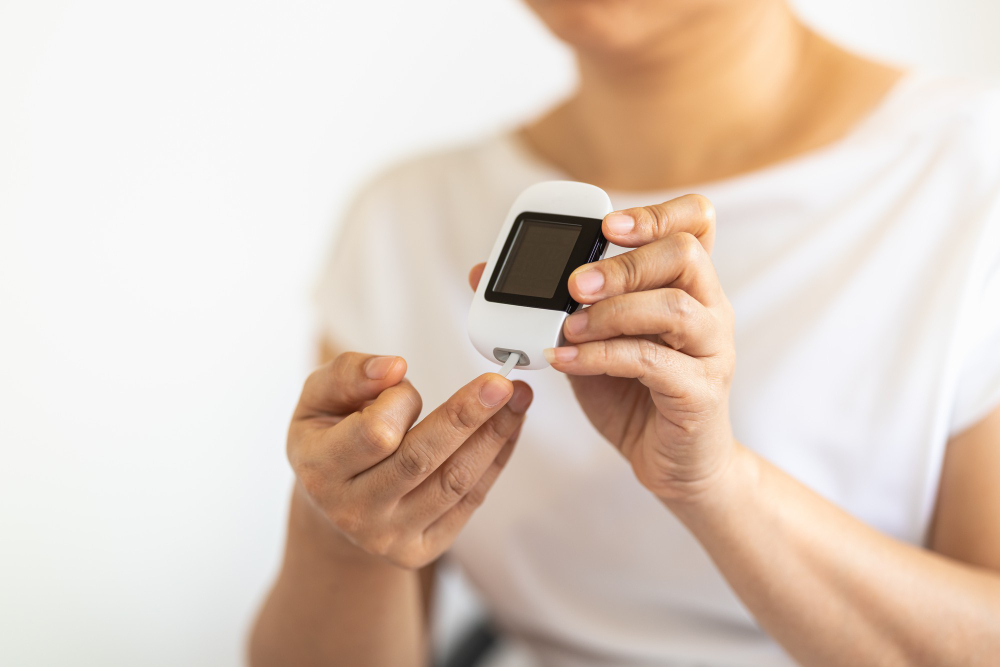
Hypoglycemia means your blood sugar drops too low. Usually, blood sugar should stay above 70 mg/dL. When it falls below this level, your body and brain do not get enough energy. This can cause mild to severe symptoms. According to the CDC, hypoglycemia often affects people with diabetes, but it can happen to others as well.
Emergency Warning Signs of Hypoglycemia
Sometimes, hypoglycemia symptoms start mild. But, they can become severe very quickly. It is important to know the emergency warning signs. If you notice these, act right away:
For example, a person may suddenly seem confused or unable to answer simple questions. In some cases, they may pass out or have a seizure. These are all urgent signs that need quick action.
What to Do in a Hypoglycemic Emergency
If you see emergency warning signs of hypoglycemia, act fast. Quick steps can prevent serious harm. Here is what you should do:
Always stay with the person until help arrives or they recover.
Prevention Tips for Hypoglycemia Emergencies
Preventing hypoglycemia is the best way to stay safe. Here are some helpful tips:
In addition, let friends and family know what to do in an emergency. This can help them act quickly if you need help.
When to Seek Immediate Medical Help
Sometimes, home treatment is not enough. Seek urgent care or call emergency services if:
Remember, fast action can save a life. Do not wait if you are unsure.
Conclusion and Call-to-Action
Knowing hypoglycemia emergency warning signs is vital for everyone. Early action can prevent serious problems. If you notice any emergency warning signs of hypoglycemia, consult a healthcare professional at Freedom Hospitals immediately. Stay prepared, stay safe, and help others do the same.
For expert care and advice on managing hypoglycemia, consult Freedom Hospitals for personalized guidance.